




 AAPL Solutions Pvt. Ltd.
Gold
Understanding Different Types of Alcoholic Drinks
Beer, whisky, wine, vodka, rum and tequila may all contain alcohol, but they are made from different ingredients and production methods. Here is a simple guide to how these drinks are Different.
Understanding Different Types of Alcoholic Drinks
Beer vs Whisky, Wine vs Vodka: What Is the Difference?
Beer, whisky, wine, vodka, rum and tequila are all alcoholic drinks. However, they differ in the ingredients used to make them and the processes involved.
Some drinks are made through fermentation, while others are distilled after fermentation. Understanding these processes helps explain why different drinks have different flavours, appearances and alcohol strengths.
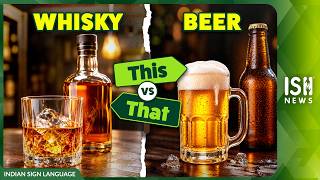
Beer vs Whisky – What Is the Difference?
Beer
Beer is an alcoholic drink usually made from grains such as barley or wheat. Other grains, including rice and maize, may also be used.
How is beer made?
- Grains are processed to release sugars.
- Yeast is added to ferment the sugary liquid.
- The liquid develops alcohol and flavour.
- The beer is then processed and prepared for packaging.
Beer is generally made through fermentation and is not usually distilled.
Whisky
Whisky is a distilled alcoholic drink made from fermented grains such as barley, corn, rye or wheat.
How is whisky made?
- Grains are processed and fermented.
- The fermented liquid is distilled to concentrate the alcohol.
- Whisky is commonly aged in wooden casks, although requirements vary depending on the type and country.
Remember:
- Beer: Usually made by fermenting grains, without distillation.
- Whisky: Made from fermented grains and distilled; commonly aged in wooden casks.
Wine vs Vodka – What Is the Difference?
Wine
Wine is usually made by fermenting grape juice.
How is wine made?
- Grapes are crushed to obtain juice.
- Yeast converts the natural sugar in the juice into alcohol.
- The wine is processed and may be aged.
Wine can be red, white or rosé.
Red wine generally gets much of its colour from the grape skins during production. White wine is usually made with little or no contact with the skins. It can also be made using dark-coloured grapes if the skins are removed.
Vodka
Vodka is a distilled alcoholic drink commonly made from fermented grains or potatoes. Other suitable agricultural raw materials may also be used.
How is vodka made?
- The raw material is processed and fermented.
- The fermented liquid is distilled.
- It is usually filtered and diluted with water to reach the required alcohol strength.
Vodka is generally clear and has a relatively neutral flavour.
Remember:
- Wine: Usually made by fermenting grape juice.
- Vodka: Made by fermenting suitable raw materials and then distilling the liquid.
Rum vs Tequila – What Is the Difference?
Rum
Rum is a distilled alcoholic drink made from sugarcane products, such as molasses or sugarcane juice.
How is rum made?
- Sugarcane juice or molasses is prepared.
- Yeast ferments the sugars into alcohol.
- The fermented liquid is distilled.
- Depending on the type, rum may be aged in wooden casks.
Rum can be clear, golden or dark, depending on how it is produced and processed.
Tequila
Tequila is a Mexican distilled alcoholic drink made from the fermented sugars of the blue agave plant.
How is tequila made?
- Mature blue agave plants are harvested.
- Their central hearts are cooked to make the sugars available.
- The sugars are extracted and fermented.
- The fermented liquid is distilled.
- Depending on the type, tequila may be bottled without ageing or aged in wooden containers.
Tequila must follow specific Mexican production rules and geographical requirements to legally use the name.
Remember:
- Rum: Made from sugarcane products, such as molasses or sugarcane juice.
- Tequila: Made from blue agave under specific Mexican production rules.
What Does ABV Mean?
Alcohol strength is commonly shown as ABV, which stands for Alcohol by Volume. It tells you what percentage of a drink's total volume is pure alcohol.
For example, a drink with 5% ABV contains 5% alcohol by volume.
Approximate alcohol strength:
- Beer: often around 4–6% ABV
- Wine: often around 9–15% ABV
- Whisky, vodka, rum and tequila: commonly around 35–50% ABV
These are general ranges, not fixed rules. Alcohol strength varies between products, so always check the label.
Why does serving size matter?
A drink's colour or taste does not tell you how much alcohol it contains. A smaller serving of a stronger drink can contain as much pure alcohol as a larger serving of a weaker drink.
Health and Safety
Alcohol can affect judgement, coordination and reaction time. It also carries health risks, including risks associated with long-term consumption.
Never drink and drive. Remember that no type of alcoholic drink is completely risk-free.