




 AAPL Solutions Pvt. Ltd.
Gold
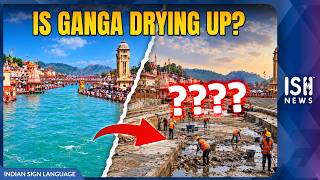
Ganga disappears from haridwar ghat! What happened to the water?
Viral videos showing about the Ganga’s water levels Real story . The Upper Ganga Canal has been temporarily closed for annual cleaning and repairs, ahead of the 2027 Ardh Kumbh Mela
Why Har Ki Pauri Looks Dry: The Truth Behind the Viral Videos
Viral videos showing very little water at Har Ki Pauri in Haridwar, Uttarakhand, have raised questions about whether the Ganga is drying up. However, the sudden drop in water levels has a different explanation: the Upper Ganga Canal has been temporarily closed for annual cleaning and repair work.
Has the Ganga River Dried Up?
Haridwar is one of India’s most important pilgrimage cities. Thousands of people visit Har Ki Pauri every day to pray and take a holy dip in the Ganga.
In October 2026, visitors were surprised to see large parts of the riverbed exposed at the famous ghat. But this does not mean the entire Ganga River has dried up.
The water flow through the Upper Ganga Canal, which supplies water to Har Ki Pauri, was temporarily stopped for scheduled maintenance. Officials announced that the closure would last around 18 days, with the flow expected to resume around 7–8 November.
Why Was the Water Flow Stopped?
The annual closure allows workers to clean and repair the canal.
When the water level falls, workers can access sections of the canal bed that usually remain underwater. They can remove accumulated soil, sand and waste, as well as inspect the structure for damage and carry out necessary repairs. The exposed areas have also revealed rubbish, including plastic, discarded clothes, slippers and religious offerings.
Reports from the first day of the cleanliness drive said workers collected around 200 kilograms of dry and wet waste. Once the maintenance work is completed, the water flow is expected to return.
Cleaning Har Ki Pauri Before Ardh Kumbh 2027
The maintenance work comes as Haridwar prepares for the 2027 Ardh Kumbh Mela, scheduled from January to April.
Millions of pilgrims are expected to visit the city during the religious gathering. Managing waste, sanitation and public facilities will be a major challenge.
In June 2026, the National Mission for Clean Ganga approved a sanitation and public health plan worth Rs.115.61 crore for the event. The plan includes 13,915 toilets, 8,065 urinals, 2,000 bathing facilities, 4,840 dustbins and 491 waste collection vehicles. It also includes machines to clean the ghats and a digital system to help officials monitor sanitation services.
These facilities are intended to help manage waste and maintain cleanliness during the large gathering.
The Challenge of Ganga Pollution
When people think of river pollution, they often imagine plastic bottles, flowers and rubbish floating on the water. But some forms of pollution are less visible. Sewage is one example. If untreated sewage enters a river, it can carry harmful germs and pollutants even when the water looks clean from the riverbank. This is why sewage treatment plants are important. They treat wastewater before it is released into the environment.
Under the Namami Gange programme, Haridwar’s sewage treatment capacity reached 145 million litres per day, according to a report published in July 2025.
To understand that volume, imagine 145 million one-litre bottles of water. That is equivalent to the amount of sewage the city’s treatment facilities can process in a day at their stated capacity. Actual treatment depends on plant operations and wastewater reaching the facilities.
More Projects Planned to Protect the Ganga
In February 2026, Uttarakhand Chief Minister Pushkar Singh Dhami sought early approval for additional Ganga-related projects worth Rs.408.82 crore under the National Mission for Clean Ganga. He also said the Centre had released Rs.500 crore for wider preparations for the 2027 Ardh Kumbh, including infrastructure, sanitation, security and facilities for pilgrims.
These plans highlight the scale of the work needed to prepare Haridwar for millions of visitors.
The low water level at Har Ki Pauri is therefore linked to a temporary canal closure for maintenance, not proof that the entire Ganga has dried up. The exposed riverbed also offers a reminder that keeping the river clean requires regular maintenance, effective sewage treatment and responsible waste disposal.