


 AAPL Solutions Pvt. Ltd.
Gold
AAPL Solutions Pvt. Ltd.
Gold
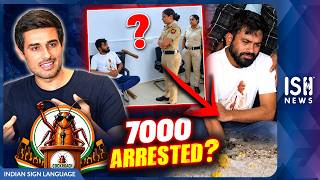
Over 7,000 Detained: Dhruv Rathee, Abhijeet Dipke and Imran Khan Caught in Protest
CJP-led protests in Delhi and Mumbai on 10 October led to mass detentions, including CJP leaders and public figures.
Police vs Protesters: What Happened at the CJP Protests?
The Cockroach Janta Party (CJP) and opposition groups planned protests in Delhi and Mumbai on Saturday, 10 October 2026. They were demanding the resignation of Chief Election Commissioner Gyanesh Kumar. However, Delhi Police detained several CJP leaders before they could reach the protest venue at Jantar Mantar. The action triggered criticism from political leaders, activists and content creators.
CJP Leaders Detained at the Airport
CJP leaders Abhijeet Dipke, Saurav Das and Ashutosh Ranka were detained by Delhi Police after their flight landed in Delhi. The three were travelling from Mumbai to attend the planned protest. Several well-known content creators, including Dhruv Rathee and KK Create, were also reportedly detained. Videos of the detentions circulated widely on social media.
Rathee criticised the police action, saying, “I was not arrested or detained; I was KIDNAPPED.” He was later released. Delhi Police said the protest had not been granted permission because of security concerns and the possibility of disruption. Authorities also cited concerns about public order and traffic.
Protests in Mumbai
Protests in support of the CJP also took place in Mumbai on 10 October.
Mumbai Police detained hundreds of people, including actor Imran Khan, Tushar Gandhi, the great-grandson of Mahatma Gandhi, and Shiv Sena (UBT) MLA Varun Sardesai. The protesters were taken to police stations and later released. Police said the gatherings had taken place without the required permission.
Why Did Police Stop the Protest?
The CJP and other groups wanted to protest against Chief Election Commissioner Gyanesh Kumar. Their demand was linked to concerns over changes to electoral rolls and the conduct of the election authorities.
Delhi Police said permission for the Jantar Mantar protest had been denied because the application did not meet the required notice period and because of security concerns. Police also pointed to the risk of traffic disruption, clashes and damage to public property. They said they had to consider the impact of a large gathering on residents and commuters.
However, the detentions raised questions about the right to peaceful protest. The right to express disagreement and demonstrate is an important part of democracy, while authorities also have a responsibility to protect public safety. The key issue is how these responsibilities can be balanced without unnecessarily restricting peaceful public expression.
Dispute Over Abhijeet Dipke’s Grandmother’s Funeral
While Dipke was in detention, his grandmother passed away. CJP leaders alleged that the police were preventing him from going home to attend her funeral.
In response, Delhi Police Deputy Commissioner of Police Neha Yadav held a press conference and showed a video lasting around one hour and 45 minutes. Police said officers had informed Dipke about his grandmother’s death and offered to help him travel home by flight or bus.
The video showed officers offering assistance. Police said Dipke declined the offer and chose to remain in Delhi.
Dipke disputed the police account. In a post on X, he questioned why the video did not show him asking to use his phone to contact his cousin or speak to a lawyer. He also alleged that officers pressured him to sign arrest-related documents while he was distressed.
The two sides have given different accounts of what happened. The full circumstances remain disputed.
What Happened After the Detentions?
After spending time in detention, Dipke and other CJP leaders were released subject to legal conditions. Reports said they were required to provide bonds and warned against actions that could disturb public order.
Delhi Police later removed Jantar Mantar from the list of designated protest sites. The decision drew criticism from CJP leaders and others who said it would make it harder for people to organise demonstrations in the capital. The CJP responded by saying, “Now, the entire country will become Jantar Mantar.”
The Bigger Question: Public Safety or the Right to Protest?
The events in Delhi and Mumbai have sparked a wider debate about the limits of police powers and the right to peaceful assembly. Police authorities argue that permission rules and security measures are needed to prevent disruption and protect the public. Protesters, meanwhile, say that detentions and restrictions can prevent people from expressing their views.
Both public safety and the right to peaceful protest matter. The challenge is ensuring that security measures are necessary, proportionate and consistent with the law.