



 AAPL Solutions Pvt. Ltd.
Gold
AAPL Solutions Pvt. Ltd.
Gold
UPI: How Did It Become a Huge Success?
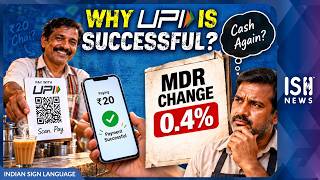
How UPI went from a new digital payment system in 2016 to India’s everyday way of paying, and why new MDR charges could change how merchants accept UPI.
Imagine buying a Rs.20 cup of tea without cash, a card or sharing your bank details. Just scan a QR code, enter the amount, and tap Pay.
Today, this is normal in India.
How Did UPI Start?
UPI was launched in 2016 by the National Payments Corporation of India (NPCI), under the RBI’s regulatory framework. It started with 21 banks.
Before UPI, digital payments could require bank account numbers, IFSC codes, cards or wallets. UPI brought different banks onto one common system, allowing people to send money even when they used different banks.
Why Did It Become So Popular?
UPI made everyday payments simple. QR codes soon appeared at tea stalls, shops, restaurants and street vendors.
Money went directly into the merchant’s bank account, reducing the need to handle large amounts of cash or arrange change. UPI also grew alongside the rapid spread of smartphones and mobile internet in India. Then came demonetisation in November 2016. With Rs.500 and Rs.1,000 notes withdrawn from circulation, many people turned to digital payments.
In December 2016, BHIM was launched to make UPI easier to use. Soon, banks and private companies began offering their own UPI apps. The idea was simple: Scan. Enter. Pay. UPI recorded around 1.78 crore transactions in 2016–17. By 2025–26, this had crossed 24,000 crore transactions.
In August 2026 alone, UPI processed around 24,509 crore transactions worth Rs.29.82 lakh crore. UPI became successful partly because merchant transactions had zero MDR.
Now, that is changing. From 15 October 2026, a 0.4% MDR will apply to eligible merchant transactions above Rs.2,000, while small transactions and person-to-person payments will continue to have zero MDR. The change has already triggered strong reactions from retailers and other businesses, with concerns about higher costs and whether merchants may encourage customers to use cash instead.
So, why has MDR been introduced? Who will actually pay for it? Will customers be affected?
Keep watching ISH News. We will explain it all in Part 2.